Compare Local Contractors for Residential Siding Installation Success
Compare local contractors to define your project scope, verify experience, and set clear expectations for a successful residential siding installation.
Residential siding installation projects typically encompass the removal of existing siding, preparation of the exterior surface, and the proper application of new siding materials. This process may involve inspecting the underlying structure for damage, ensuring proper insulation and weatherproofing, and selecting appropriate siding styles and materials to match the property's aesthetic and functional needs. Proper installation is essential to protect the home from the elements, improve energy efficiency, and enhance curb appeal, making it important for property owners to work with experienced service providers who understand the nuances of different siding options and installation techniques.
Defining the scope of work is a critical step in any siding installation project. Clear communication about what is included-such as surface preparation, material removal, and finishing details-helps prevent misunderstandings and ensures that both property owners and contractors share the same expectations. Documenting the scope in writing can serve as a reference point throughout the project, reducing the risk of disputes and facilitating a smoother process. When discussing scope, it’s also valuable to consider potential additional work that might arise, such as repairs to underlying structures or upgrades to insulation, to establish a comprehensive understanding from the outset.
Property owners can effectively compare local contractors by evaluating their experience, reputation, and the services they offer. It’s helpful to seek out service providers who have a proven track record with residential siding projects similar in scope and style to the property in question. Verifying references or reviews can provide insights into the quality of work and professionalism. Additionally, reviewing written proposals that clearly outline the scope of work, materials, and responsibilities can aid in making an informed decision. Focusing on these practical considerations ensures that property owners select service providers capable of delivering reliable, quality siding installation tailored to their property's specific needs.
Compare local contractors by outlining project priorities, verifying experience, and setting clear expectations in writing.
- Compare Contractors - review multiple local service providers to find the best match for your siding installation needs.
- Define Scope Clearly - outline the specific work and materials required to ensure accurate service provider understanding.
- Verify Experience - assess the background and previous work of local contractors to ensure competence.
- Document Expectations - establish and confirm project details in writing to prevent misunderstandings.
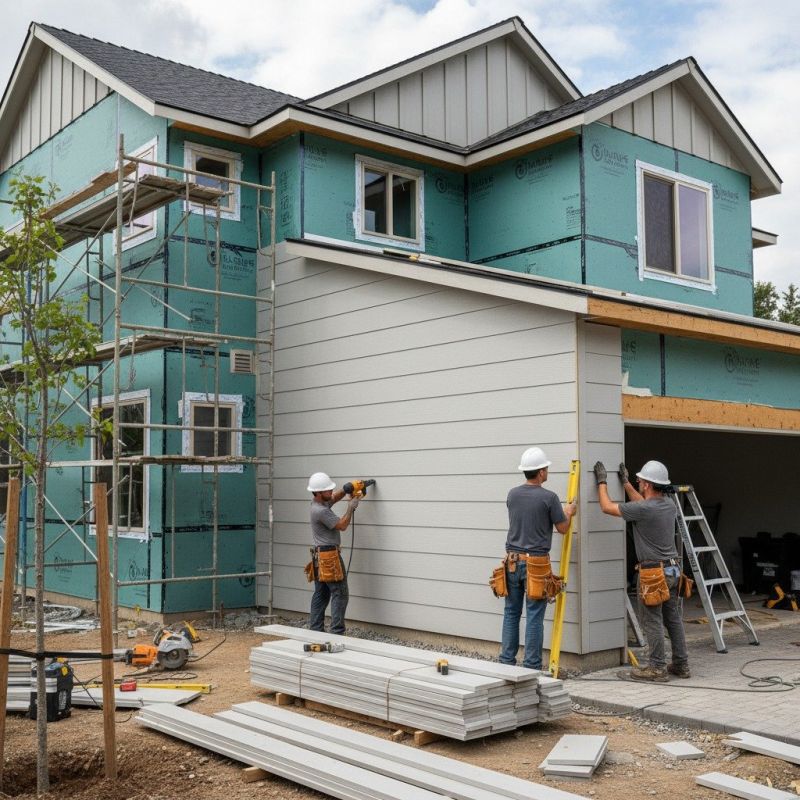
Clearly define your siding project and compare local contractors based on experience, scope, and written expectations.
- Verify experience and references of local contractors to ensure they have a proven track record with residential siding installation. - Confirm that scope of work is clearly defined and documented in writing before work begins.
- Assess the contractor’s familiarity with different siding materials to ensure proper installation techniques are used for each type. - Ensure all project details, including materials and finishes, are specified in the contract.
- Check that the contractor provides a detailed scope of work outlining each phase of the siding installation process. - Look for transparency in the scope to prevent misunderstandings during the project.
- Compare multiple local contractors to evaluate their experience, scope of work, and communication clarity. - Prioritize providers who clearly outline their approach and expectations in writing.
- Ensure the contractor discusses any potential challenges or issues that could impact the scope of work upfront. - Clear communication about scope and expectations helps avoid surprises during installation.
- Request written confirmation of project scope, materials, and responsibilities before work commences. - Having everything in writing helps ensure alignment and accountability throughout the project.
Compare local contractors' experience and clarify project scope to ensure smooth residential siding installation.




Ensure consistent comparisons by clearly defining project scope, verifying contractor experience, and documenting expectations in writing.
- Define project scope - clearly outline the specific areas and types of siding to be installed or replaced.
- Assess experience and expertise - verify that service providers have relevant experience with residential siding installation projects.
- Establish material specifications - specify the types, styles, and quality of siding materials to be used.
- Determine scope of work in writing - document all tasks, responsibilities, and expectations to ensure mutual understanding.
- Verify contractor references and past work - review previous projects and customer feedback to evaluate the quality of service providers.
When evaluating contractors for residential siding installation, it’s important to consider their experience with similar projects. Homeowners should inquire about the types of siding materials they have worked with and the scope of past projects to gauge familiarity with different styles and complexities. A contractor’s history of handling projects comparable in size and design can provide insight into their ability to deliver results that meet expectations. Verifying a contractor’s background through references or project portfolios can help ensure they have the relevant experience necessary for a successful installation.
A clear, written scope of work is essential when comparing service providers. This document should outline specific tasks, materials to be used, and the extent of the work involved. Having a detailed scope helps prevent misunderstandings and ensures that both parties are aligned on project expectations. Homeowners are encouraged to review and request clarification on any ambiguous language or unspecified aspects before proceeding. A well-defined scope serves as a foundation for effective communication and can help keep the project on track.
Verification basics are key to making an informed choice. Homeowners should verify the credentials of potential service providers by checking references, past project reviews, and any available work samples. Confirming that a contractor has successfully completed similar projects can reduce the risk of issues later on. Additionally, understanding the contractor’s process for handling unforeseen problems or changes during installation can provide confidence in their professionalism and problem-solving approach. Gathering this information helps establish trust and clarity before moving forward.
Evaluating options without focusing on prices involves comparing the quality of work, scope details, and the experience of different contractors. Homeowners should consider how well each service provider understands the project requirements, the thoroughness of their proposals, and their ability to communicate clearly in writing. Asking questions about their approach to installation, materials, and project management can reveal their level of expertise and professionalism. By focusing on these aspects, homeowners can identify the most suitable contractors for their siding project based on quality, experience, and clarity of scope, rather than cost alone.
Ask contractors to provide written scope details to ensure clear expectations and consistent project understanding.
- Experience and Credentials - How can homeowners verify a contractor’s experience with residential siding installation?
- Scope of Work - What details should be clarified to ensure the scope of siding installation is clearly defined?
- Material Options - How do different siding materials impact the scope and expectations of the project?
- Warranty and Guarantees - What warranties or guarantees should be included in the scope to protect the homeowner’s investment?
- Comparison Criteria - What factors should be used to compare local contractors beyond price and availability?
How can I compare residential siding installation contractors? To compare contractors, review their experience, request references, and verify their work quality to ensure they meet your project needs.
What should I include in the scope of work for siding installation? Clearly outline the type of siding, area to be covered, surface preparation, and any additional services to set clear expectations with contractors.
How do I verify a contractor’s experience with siding projects? Ask for details about their past projects, request references, and review previous work to assess their familiarity with the siding materials you want.
Why is it important to get a written agreement with a contractor? A written agreement helps define the scope, responsibilities, and expectations, reducing misunderstandings during the siding installation process.
What questions should I ask a contractor before hiring for siding installation? Inquire about their experience, the materials they recommend, the project process, and how they handle potential issues or changes during work.
How can I ensure the contractor understands my project requirements? Communicate your expectations clearly in writing, including scope details, material preferences, and any special considerations to align on the project goals.
Understanding the key aspects of residential siding installation can help in making informed decisions when selecting a contractor. Visitors learned how to define the scope of work clearly, verify the experience of service providers, and set expectations in writing to ensure a smooth project process. Comparing local contractors through this approach allows for a more confident choice aligned with specific project needs.
Utilizing the quote form provides a straightforward way to explore available options among local service providers. It offers the opportunity to gather information, compare approaches, and find contractors capable of handling the job effectively. Taking this step can help in identifying the best fit for the residential siding project without commitments or assumptions.